Review: My Favorite Twirler Calls Me Mom Design
As a designer who has spent countless hours staring at digitized paths and testing stitch-outs on scrap fabric, I have learned that not every cute graphic translates well into thread. When I first pulled up My Favorite Twirler Calls Me Mom, my initial reaction was one of cautious optimism. The sentiment is undeniably sweet, tapping into the proud parent market that drives so much of the handmade economy. But sentiment alone does not make a viable embroidery project. We need to look at the lines, the spacing, and the practical application before we commit this design to a client’s garment or our own shop inventory.
First Impressions and Visual Personality
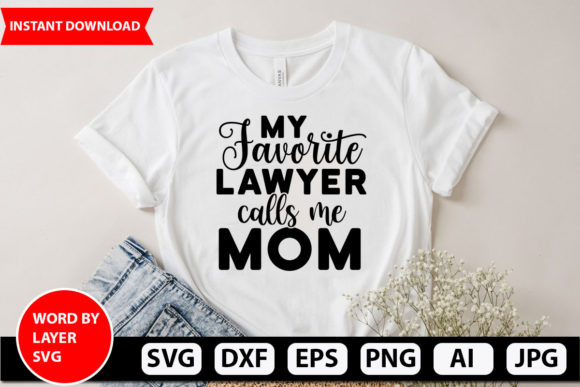
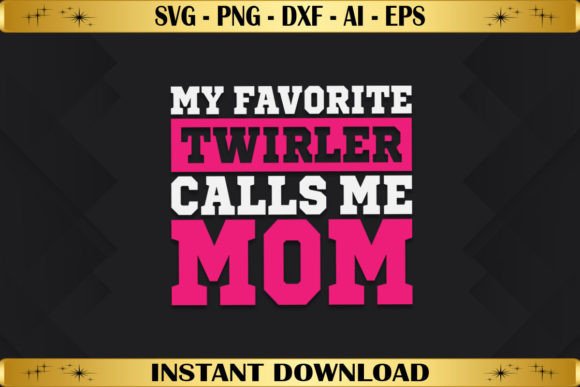
The mood of this design is warm, celebratory, and deeply personal. It speaks directly to the baton twirling community, a niche that is often underserved in mainstream craft supplies. Visually, the layout feels balanced, combining typography with thematic elements that suggest motion and grace. For those of us working in Crafts and digital Graphics, the clarity of the vector lines in the provided SVG and AI files is crucial. It suggests that the digitizer considered how these shapes would translate into satin stitches and fill stitches.
What stands out immediately is the potential for emotional connection. This isn’t just a generic "Mom" shirt; it is a specific identifier. That specificity increases the perceived value of the finished product. When a customer sees this on a tote bag design or a sweatshirt, they recognize it as a custom piece made for their unique life experience. That recognition builds trust and encourages buyer engagement, which is vital for any Etsy seller or small business owner.
Real-World Application: The Sweatshirt Test
To truly evaluate My Favorite Twirler Calls Me Mom, I imagined placing it on a mid-weight cotton blend sweatshirt. This is a staple item for any craft business. The design’s scale seems appropriate for the left chest or centered on the back. If placed on the chest, it acts as a subtle badge of pride. On the back, it becomes a statement piece.
In this scenario, the thread colors become critical. I would recommend using a high-contrast combination if the garment is dark, perhaps a metallic gold or bright white against navy or black. If the garment is light, a deep royal blue or maroon could provide excellent definition. The key here is ensuring that the finer details of the twirling motif do not get lost in the fabric texture. A smooth fleece or jersey knit will yield the crispest results, whereas a heavily textured terry cloth might obscure the smaller elements of the embroidery file.
Versatility Across Product Lines
Beyond apparel, this design has legs in other categories. Consider a canvas tote bag. The flat, stable surface of canvas is ideal for maintaining the integrity of the stitch path. Here, the design could be scaled up slightly to fill the center panel, creating a striking personalized gift for dance moms or competition supporters. It also works beautifully on aprons, adding a touch of personality to kitchen wear, or on pillow covers for nursery decor, though one must be mindful of the hoop size limitations when working with thicker home decor fabrics.
For those selling digital embroidery file packages or physical goods, this design fits seamlessly into holiday collections. Imagine it on a red velvet stocking or a festive tea towel. It transforms a standard household item into a cherished keepsake. The versatility allows creative entrepreneurs to maximize their return on investment by applying the same asset across multiple product types, from baby embroidery items like onesies to adult custom apparel.
Technical Considerations and Stitching Advice
While the aesthetic appeal is strong, we must address the technical realities of stitching My Favorite Twirler Calls Me Mom. Any experienced embroiderer knows that dense areas can cause puckering, especially on stretchy fabrics. Before running this on a final product, always test the design on scrap fabric identical to your project material. This step is non-negotiable for maintaining professionalism.
Pay close attention to the stitch density. If the design includes small text or intricate twirling details, ensure your machine is threaded correctly and your tension is balanced. Using the right stabilizer is equally important. For knits like t-shirts or sweatshirts, a cut-away stabilizer provides the necessary support to prevent distortion after washing. For woven fabrics like canvas totes, a tear-away may suffice, but always err on the side of caution.
Be wary of using this design on curved surfaces like caps unless you are experienced with cap frames. The curvature can distort the perspective of the text and graphics, making them difficult to read. Similarly, avoid placing it on areas of high friction or frequent washing without proper reinforcement, as fine satin stitches can snag over time.
File Formats and Workflow
The product description notes that you receive a zip folder containing SVG, PNG, DXF, AI, and EPS files. This variety is excellent for hybrid workflows. The SVG and DXF files are perfect for cutting machines if you plan to combine embroidery with heat transfer vinyl or applique. The AI and EPS files allow for easy scaling and color adjustment in vector software before digitizing or printing mockups. The PNG is useful for quick digital previews on your website or social media.
However, note that these are primarily graphic files. If you are looking for a direct machine embroidery design file (such as PES, DST, or JEF), you may need to verify if those formats are included or if this package is intended for sublimation and print-ready applications. Always confirm the specific machine compatibility and license terms before selling finished items. If this is a print-ready graphic, you will need to digitize it yourself or hire a digitizer to convert it into a stitch file, ensuring you control the running stitch underlays and jump stitches for optimal quality.
Final Verdict for Designers
My Favorite Twirler Calls Me Mom is a strong contender for anyone targeting the dance and twirling niche. Its emotional resonance is high, and its visual structure is clean enough to handle various fabrication methods. For the small shop product line, it offers a clear value proposition: personalized pride. Just remember to respect the technical limits of your materials. Test your tensions, choose your stabilizers wisely, and present the final piece with confidence. When executed well, this design does more than decorate; it connects.